- Home
- Ingredients
- Folate
Folate In Gelagen
Cell division does not happen without it, and skin divides more than almost any tissue you have.
What Folate Is
Folate is vitamin B9, and its name comes from folium, the Latin for leaf, because it was first isolated from spinach. It is the vitamin most associated with pregnancy, for a reason that explains everything about what it does: it is required wherever cells are dividing rapidly, and nothing divides faster than a developing embryo.
What Folate Does For Skin
The second fastest-dividing tissue in an adult body, after the gut lining and the blood, is skin. Your entire epidermis is replaced roughly every four to six weeks, and every one of those replacements is a cell division that needs DNA synthesised from scratch. Folate is required for that synthesis. It carries an authorised role in the process of cell division — which is, when you think about it, exactly the process a skin supplement should be interested in.
What The Evidence Actually Shows
The role in cell division is settled science and not remotely controversial. What is much thinner is evidence that additional folate improves skin appearance in people whose intake is already adequate. The honest position is that folate is necessary rather than enhancing: it has to be there for skin to be built, and being there in surplus does not build it faster.
Where Else You Get Folate
Dark green leafy vegetables above all — spinach, kale, romaine — along with lentils, chickpeas, asparagus and avocado. In the United States, folic acid has been added to enriched grain products since 1998, so a great many people get a meaningful amount from bread and cereal without realising it.
Folate: What To Watch
Folate is water soluble and generally very safe. The one real caution is that high folate intake can mask the blood signs of a vitamin B12 deficiency while allowing the nerve damage to continue unnoticed, which is why the two are usually considered together and why a formula containing both is more sensible than one containing only folate.
What Folate Is Not
Folate and folic acid are not quite the same word. Folate is the form found naturally in food; folic acid is the synthetic form used in supplements and in fortified flour, and it is actually absorbed more efficiently. Methylfolate is a third form, sold at a premium and genuinely useful for a minority of people with a particular genetic variation.
How this fits into Gelagen. Two gummies a day is the serving, and vitamins with an established reference intake are declared on the panel with a percent daily value beside them. The bottle in your hand is always the authority on the exact amount, and it is the version this site would defer to if the two ever disagreed.
Answers
Folate Questions
The ones that come up about this ingredient specifically.
Do I need folate if I am not pregnant?
Yes. Folate is needed wherever cells divide, which is constantly, throughout life. The pregnancy emphasis is about a period of unusually rapid division rather than the only time it matters.
What is the difference between folate and folic acid?
Folate is the natural food form; folic acid is the synthetic supplemental one, which is absorbed slightly more efficiently.
Can folate hide a B12 problem?
It can mask the blood signs while nerve symptoms continue. That is a good argument for a formula that contains both rather than folate alone.
Am I likely to be short of it?
Less likely in countries that fortify flour. More likely on a low-vegetable diet or with certain digestive conditions.
Nearby
Related Gelagen Ingredients
More
Back To The Formula
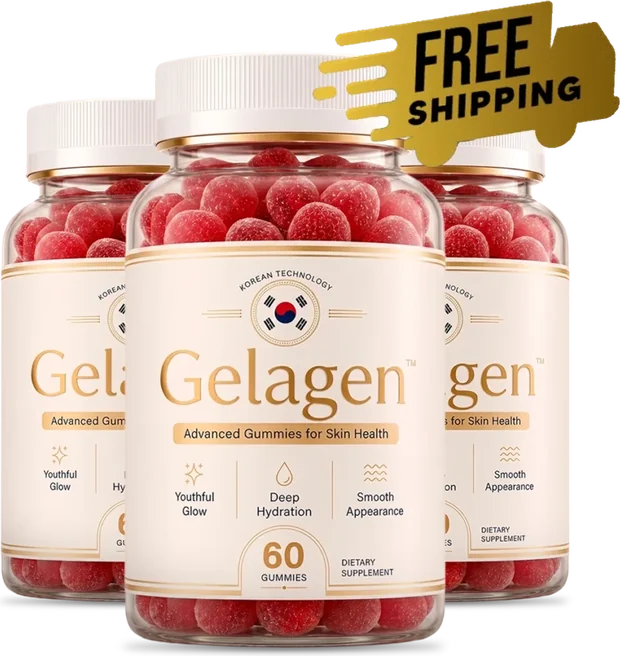
Start Your First Bottle Of Gelagen
Two gummies a day, a page here for every vitamin inside them, and two months to send it back if your skin does not agree.
- Two gummies daily, before a meal
- Six skin vitamins, all named on the label
- Free US delivery on the 3 and 6 bottle packs
- Sixty days to return it, opened bottles included